
Current despatch time is 3-5 days.Please contact us if you require faster delivery. Dismiss
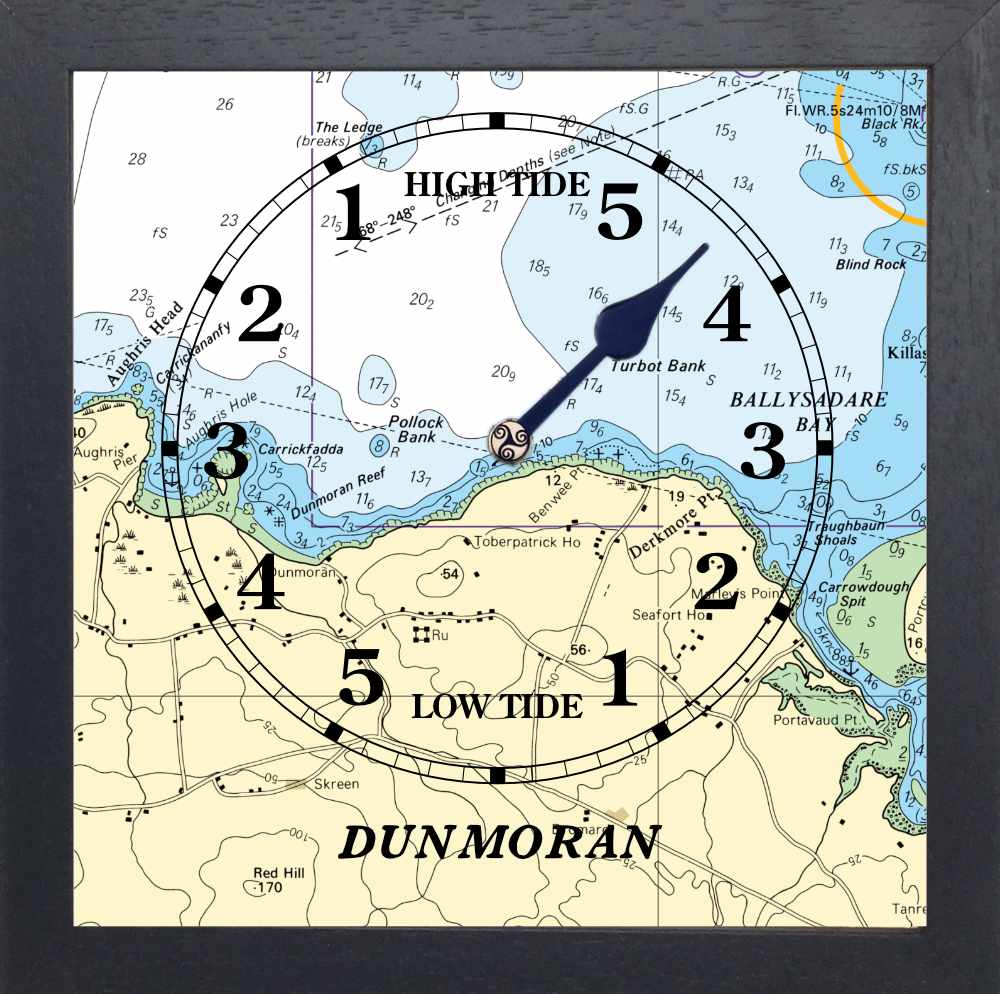
Skip to contentDunmoran sits on a quiet stretch of the Sligo coast, a wide sandy bay tucked between Aughris Head and Ballysadare Bay, with fields, dunes and low hills rising gently behind the shore. Offshore, banks, reefs and rocks like Pollock Bank, Dunmoran Reef and Black Rock break the Atlantic swell before it reaches the beach, shaping the surf and the shifting lines of white water along the bay.
Small roads lead down from Skreen and the surrounding countryside to car parks and tracks behind the dunes, where families, walkers and surfers spill out towards the sand. Out at sea, navigation lights, beacons and depth soundings mark safe water around Turbot Bank, Benwee Point and Derkmore Point, giving this quiet, rural strand a subtle, working-maritime character when seen on a chart.
Dunmoran like many other beaches has its crew of all-year around sea swimmers, and more recently (also like many other beaches) a mobile sauna operates from the car park.
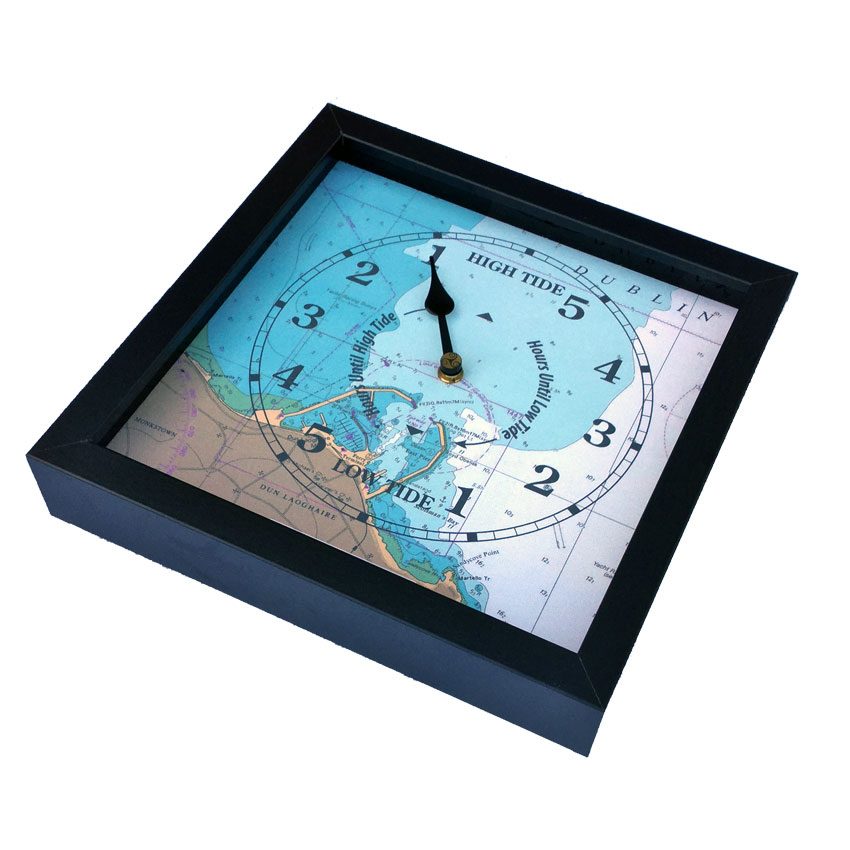
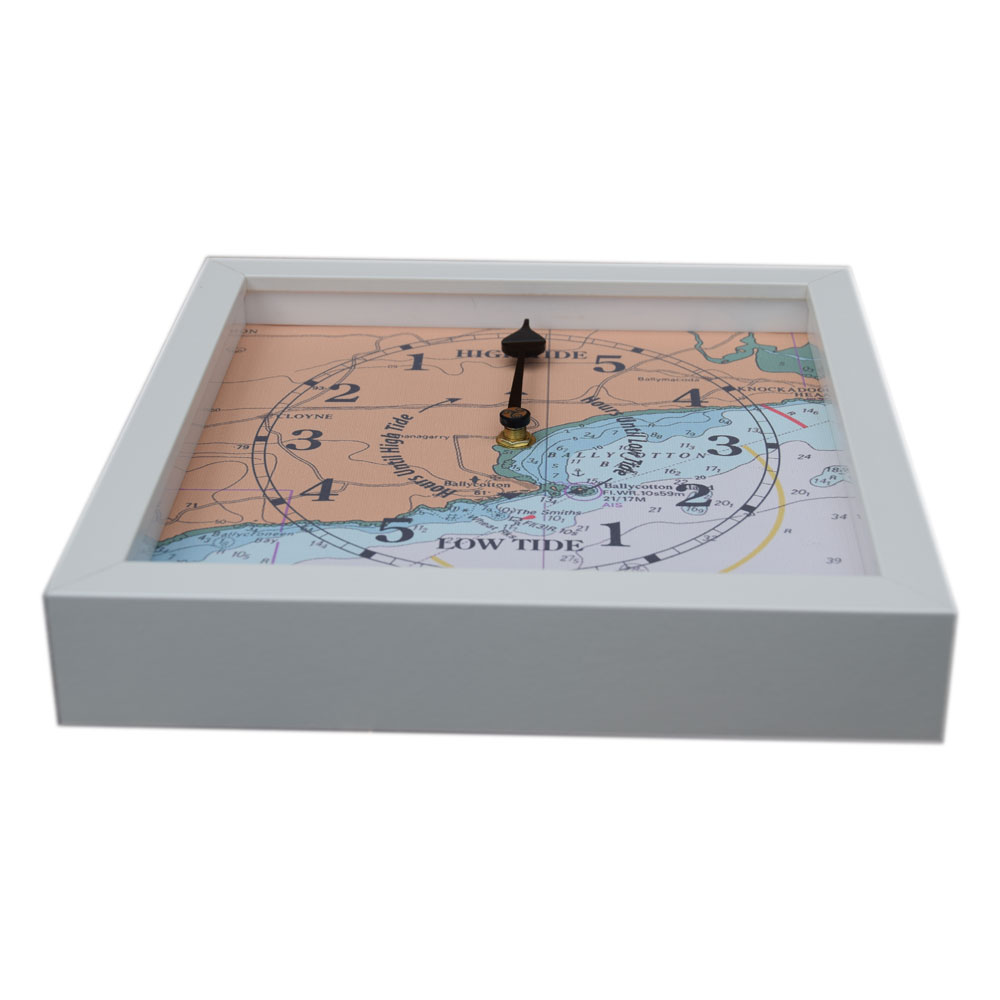
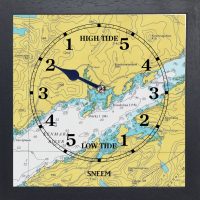
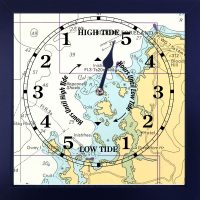
A tide clock is a device that tells you if the tide is high or low, and how much time is left before it changes. It works by synchronising with the lunar cycle, which influences the tides. The tide clock has a single hand that rotates once every 12 hours and 25 minutes, which is the average time between two high tides or two low tides. The dial of the tide clock is divided into sections that indicate the state of the tide: high, low, rising, or falling. By looking at the position of the hand, you can tell what the tide is doing and how long it will take to change.
A tide clock can help you plan your activities around Dunmoran by letting you know when the water is high enough or low enough for your preferred activity. For example, if you want to swim, you might want to avoid low tide, when the water is shallow and cold, and more rocks and sandbars are exposed. If you want to fish, you might want to avoid high tide, when the water is deep and fast, and the fish are more dispersed. Going sailing, surfing, or kayaking? You might want to choose a time when the tide is rising or falling, which often creates more favourable conditions for these sports. If you want to walk along the shore, you might want to choose a time when the tide is low, which reveals more of the beach, rock pools and wildlife.
A marine chart is a map of the sea and shoreline that shows water depths, hazards, and features you can use to understand the geography and infrastructure of a coastal location. It uses symbols and numbers to show how deep the water is at different places, where rocks, sandbanks, or wrecks are, and where channels are safer for boats. The chart marks landmarks on land—like lighthouses, piers, and headlands—so you can match what you see to the map.
The Dunmoran tide clock contains full instructions on how to set and how to read a tide clock.
This is not a navigation device.

€65.00
“We received the tide clock this week and it is so fantastic, so beautiful! We love it. We just hit high tide on a full moon 5 min ago and I set it! Thank you thank you thank you and hope you are all doing well. I also was very excited to get a package from Ireland. That was half the fun!”
JF
“ I just received the tide clock that I ordered today, and I just wanted to say thank you! The service was so prompt, and the clock is amazing. It was great to find a gift for my husband who is very hard to buy for! He and my eldest daughter love to go fishing in the summer, so this will be very useful. Thanks again! .”
ML